
By Cheryl Lamont, Vice President, Marketing & Communications, ALTOUR
This year’s Business Travel Show APAC in Singapore brought together many of the industry’s familiar conversations around technology, fragmentation, cost pressure and AI. But beneath those topics was something more fundamental: how difficult it still is to operate effectively across Asia Pacific without a real understanding of how the region actually works.
That’s where cultural fluency comes in. Not as a concept, but as the ability to navigate local markets, understand how travelers behave, and adapt programs in ways that feel relevant on the ground.
It was a thread that ran through the entire event, and one that shaped ALTOUR’s presence both on stage and off it.
A Milestone Built on Local Relationships
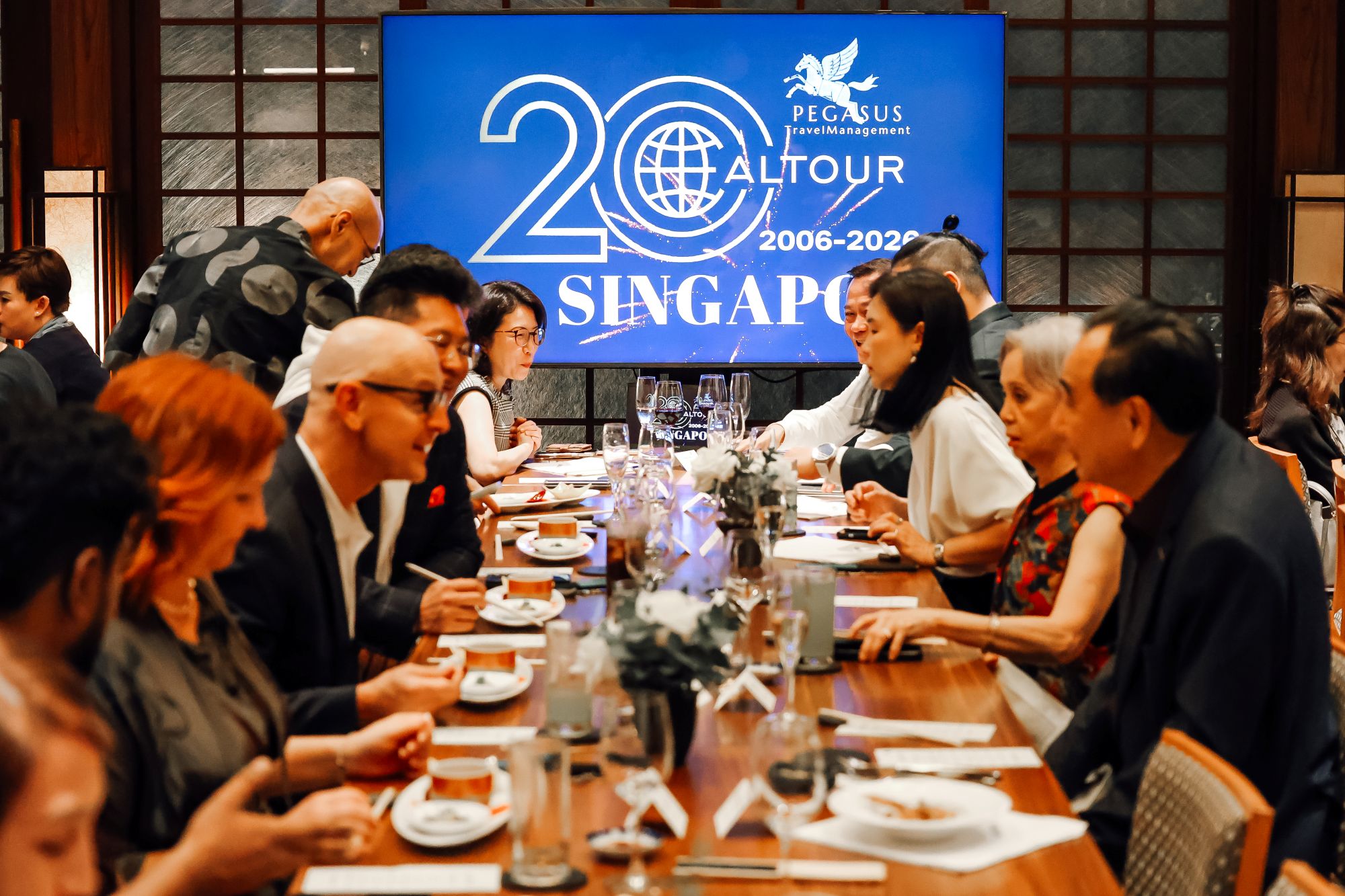
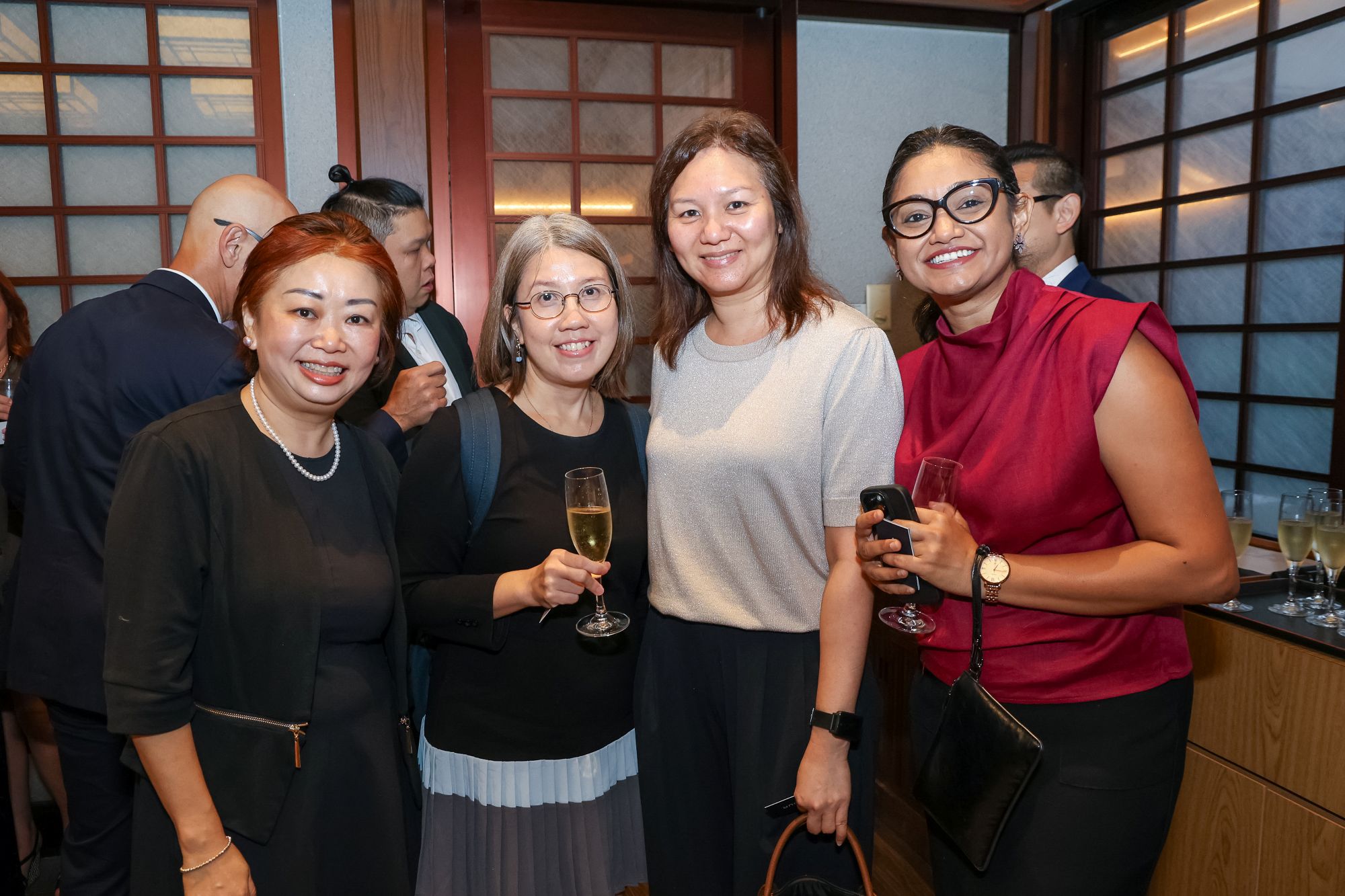
Before the conference officially began, ALTOUR hosted a regional networking event in Singapore, bringing together colleagues from across APAC, including Hong Kong, India, Vietnam, Japan, Singapore and Thailand, alongside clients and partners.
While the evening included a moment to recognize 20 years of ALTOUR Singapore, the real value was in the opportunity to connect in person. Many of these relationships have been built over years of working together across markets, and this was a chance to strengthen them further.
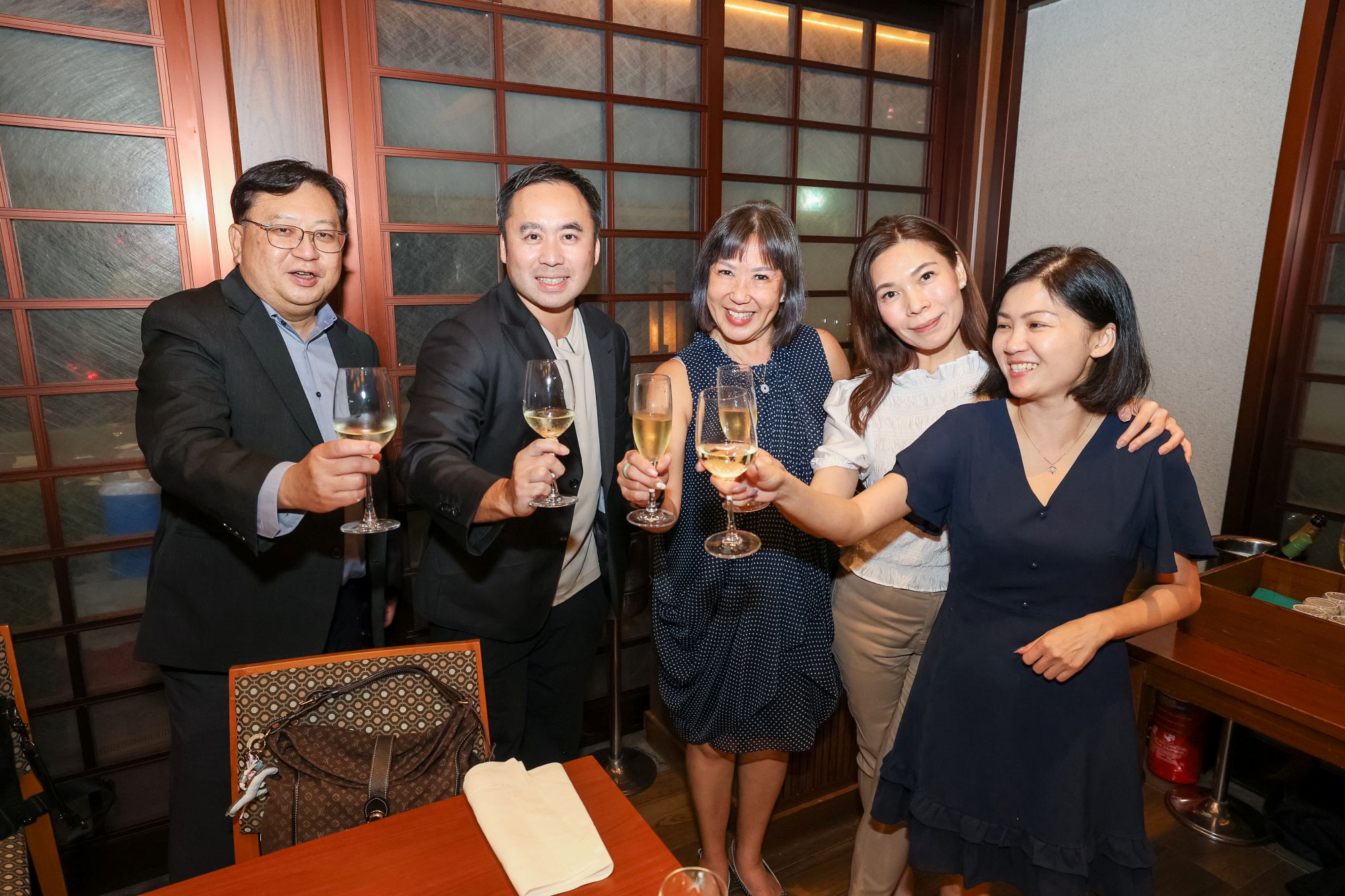
In a region like APAC, those relationships matter. They are often what enable programs to function when conditions change, when decisions need to be made quickly, or when local context makes the difference between a smooth experience and a difficult one.
The event served as a reminder that cultural fluency doesn’t happen at a distance. It is built through presence, over time, in-market.
Gabe Rizzi on Why Local Relevance Drives Global Program Success
During a special one-on-one on-stage interview session with BTN’s Jen Bankard titled “A View from the Top”, ALTOUR President Gabe Rizzi framed the industry’s current inflection point around a practical shift: the TMC’s role is moving beyond booking and servicing into helping companies reduce friction, avoid costs and support business growth.
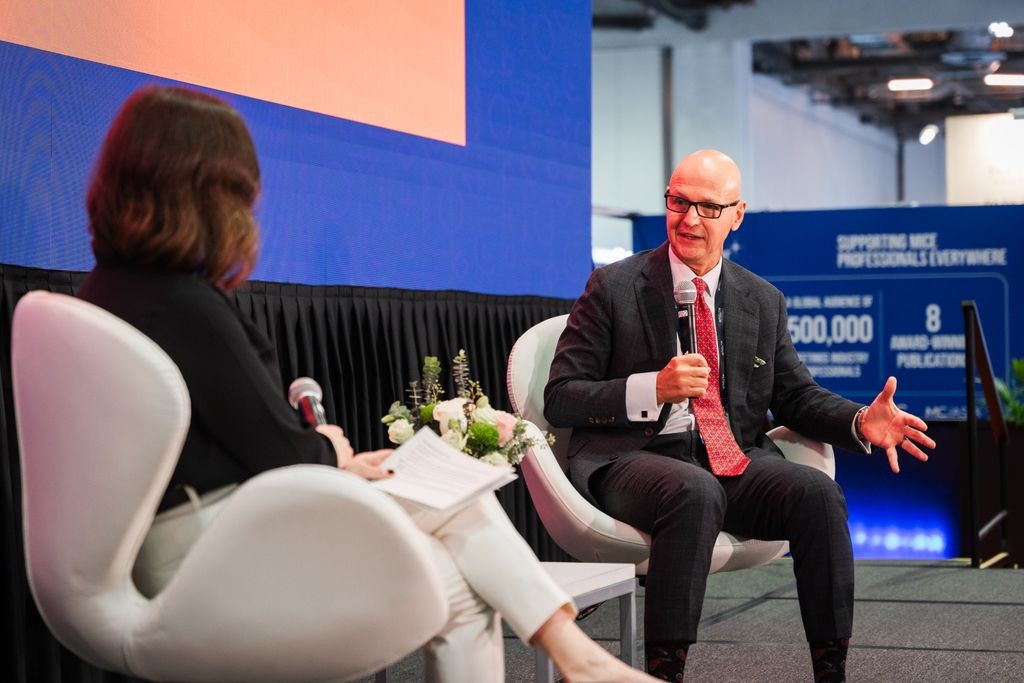
His perspective started with the traveler. Content fragmentation, booking tools and policy design may be industry terms, but travelers experience them as delays, limited options and added stress. A travel program creates real value when it helps people arrive prepared, protected and able to represent their business well.
That is especially important in APAC, where complexity is part of the operating environment. Gabe pointed to the region’s many countries, languages, dialects and market differences as the reason cultural fluency matters. Global scale can provide structure, but local relevance is what makes a program work.
For Gabe, that is also where the value of the TMC is changing: anticipating disruption, identifying cost avoidance opportunities and helping clients make smarter decisions before problems escalate. In APAC, that requires global capability supported by real local knowledge.
Natasha Padmaraj on What Actually Works in the Region
That same theme surfaced in the panel “Redefining the TMC and Booking Tool Landscape,” where Natasha Padmaraj, ALTOUR’s VP of Middle East & APAC, focused on what it takes to make travel programs work in practice across APAC.
The discussion covered technology investment, shifting TMC models and content fragmentation, but Natasha brought the conversation back to execution. Many global programs are still designed centrally, often from the U.S. or Europe, with regional needs addressed later. In APAC, that can quickly create gaps, mostly because content, supplier relationships, servicing expectations and traveler behavior vary significantly by market.
Natasha’s guidance was clear: start with what travelers actually need in each market, including relevant content, local-language support and confidence that someone can step in when plans change. Then build the program around those needs, even if the tools or processes differ by country.
That is where cultural fluency becomes operational. It shapes how technology is deployed, how partners are selected and how service is delivered across the region.
Where Technology Fits In
Technology continues to evolve quickly. AI, automation and new booking platforms are improving speed, visibility and decision-making.
At the same time, many of the underlying challenges in APAC remain. Content fragmentation, varying payment models and regulatory differences continue to shape how programs operate.
Technology can support these complexities, but it doesn’t replace the need for local understanding.
Both Gabe and Natasha highlighted the ongoing importance of human support, particularly in situations where travelers need guidance or reassurance. That human layer is often where cultural fluency shows up most clearly – in how situations are handled, how communication is delivered and how quickly issues are resolved.
What This Means for Travel Programs
For organizations operating in Asia Pacific, the implications are straightforward: programs need to be designed with the region in mind from the outset. That includes:
- Accounting for market-specific differences in content, servicing and traveler behavior
- Allowing flexibility in how technology is deployed across regions
- Embedding local expertise into program design
- Building and maintaining strong relationships across markets
Cultural fluency is what connects these elements. It shapes how decisions are made and how effectively programs perform over time.
How ALTOUR Is Approaching APAC
ALTOUR’s approach in APAC is built around combining global capability with local expertise. That includes working closely with in-market teams and partners, aligning technology with regional needs, and maintaining a strong focus on the traveler experience.
The goal is to help clients navigate complexity without adding to it by providing clarity, flexibility and support across a diverse and fast-moving region.
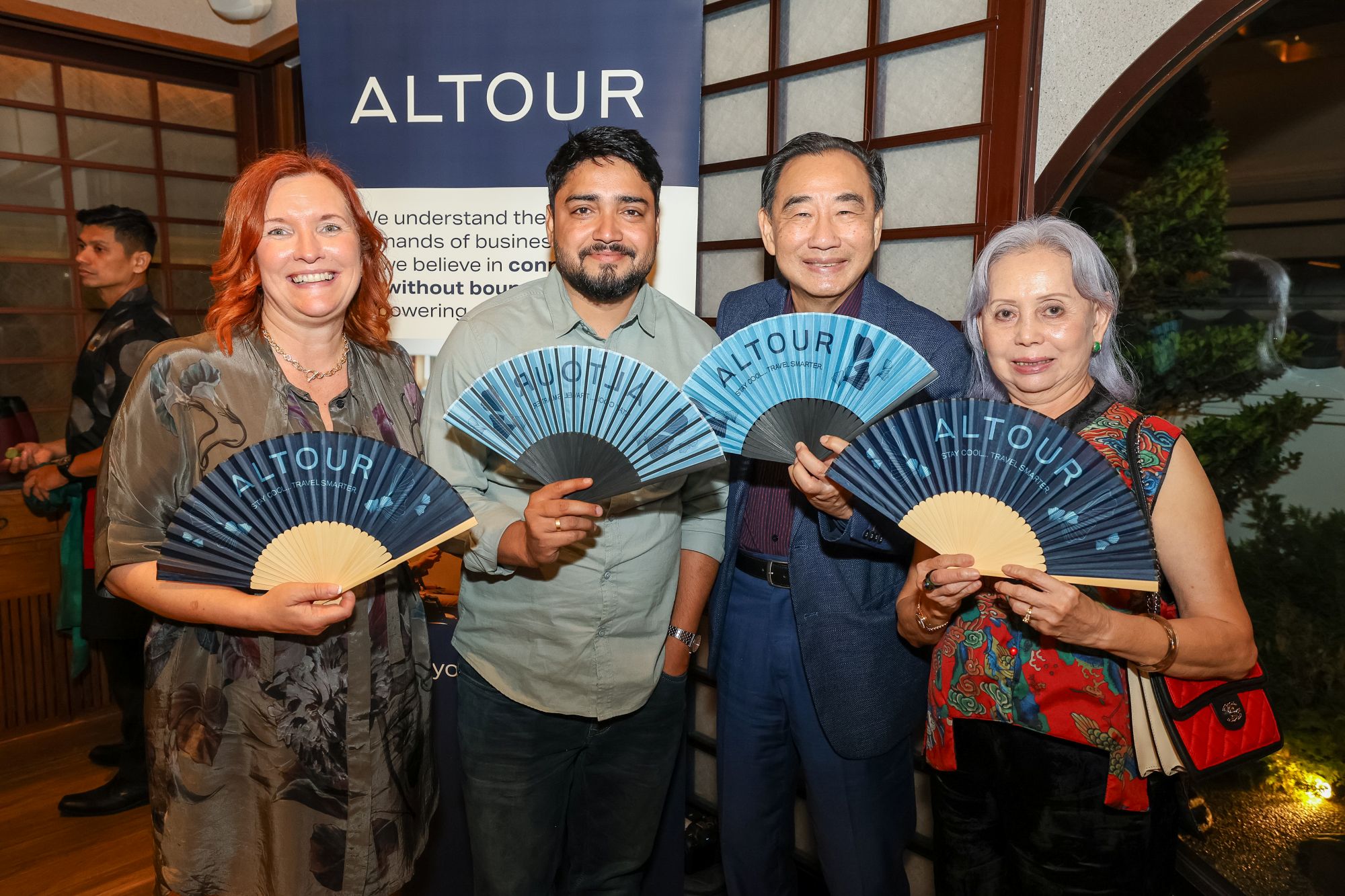
At BTS APAC, that approach came through not only in what was shared on stage, but in how we engaged across the event.