
Most rebrands don’t fail because leaders changed the logo. They fail because leaders lost the trust, creativity, relationships and expertise the name used to stand for.
By Gabe Rizzi, President, ALTOUR
In our industry, rebrands and integrations get announced almost weekly. New name. New logo. New website. New press release. Then everyone moves on to the next headline.
That’s usually when the real work starts and where a lot of good businesses quietly lose what made them valuable in the first place.
Here’s the part leaders don’t say out loud often enough: a brand isn’t its name, it isn’t its logo, and it isn’t its visual identity. A brand is the sum of the trust, relationships, behaviors, expertise, creativity, personal service and care that people experience when they work with you. Change the name and you change the wrapper. Lose those qualities and you’ve lost the business.
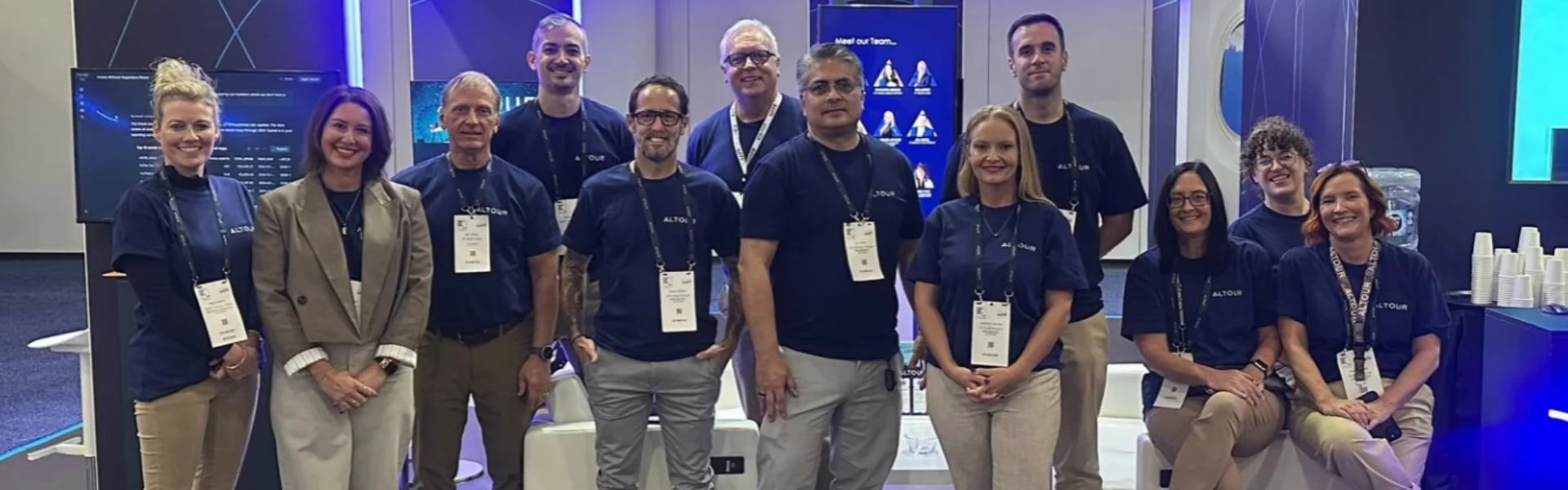
This one is personal for me. Your Event Solutions (YES), the specialist meetings and events business Sue Gill founded 25 years ago in the UK, has just stepped fully into the ALTOUR name. For a quarter of a century, YES earned its reputation the way real brands are always built – through creativity, personal service, an entrepreneurial mindset, deep client relationships, specialist expertise, and the responsiveness to solve a problem before the client sees it. Those qualities are the brand. The three letters were the shorthand.
For fellow leaders navigating a rebrand, an integration, or an M&A announcement, four principles guide our approach:
1. Retain the people who hold the trust – or you’ve bought nothing
In a specialist business, the balance sheet walks around.
It’s the colleague who remembers why a certain venue won’t work for a particular client. The producer who anticipates a problem before the room notices it. The account lead who can pick up the phone and have a candid conversation about scope, because the trust is already banked.
That kind of judgment takes years to build and weeks to lose. When those people leave, the equity leaves with them, regardless of what’s printed on the door.
If your integration plan doesn’t start with keeping the people who made the brand valuable, you don’t have an integration plan. You have a name-change project. Give them a reason to see their future in the business. Respect their judgment. Invest in them and involve them in shaping the transition. Then actually act on what they tell you.
2. Make sure scale accelerates the qualities you just acquired, instead of suffocating them
Scale is supposed to make good people faster, sharper, and more effective. That’s the entire point.
A global platform gives a specialist business real advantages such as broader markets, stronger supplier relationships, better technology, and deeper buying power – resources it could never build alone. Those advantages are real, and they matter.
But if every client answer, every creative call, every judgment call must travel through three layers of approval, the responsiveness that made the business special will die quietly. Clients feel it long before anyone measures it and so do the people delivering the work.
Common systems have their place and so do shared standards. But if we win the process and lose the responsiveness, creativity, and closeness to clients, we’ve won the wrong battle. The job of the larger organization is to give expertise room to work, not to slow it down in the name of consistency.
3. Judge the transition by what clients and employees still recognize
Every rebrand comes with a checklist, signage, email signatures, templates, legal documents and websites. Those are all the visible wins but they’re not the ones that matter most.
The real measure is simpler. After the change, do clients still recognize the responsiveness, creativity, and personal attention they signed on for? Do employees still recognize the culture that made them stay? If yes, the brand is intact and stronger, because it’s now sitting on a bigger platform. If not, no logo is going to save it.
Communicate early and be specific about what’s changing and what isn’t. Put clear owners on every detail and keep listening after the announcement. The signal you pick up in the first 90 days will tell you what your integration is doing to the brand.
4. Let the bigger organization be changed by what it just acquired
Here’s the part most acquirers get wrong from what I’ve experienced. They assume the flow of learning goes one way.
It never does. In a specialist business, there are often qualities the larger organization needs: closer relationships, faster judgment, sharper creative instincts, or a more personal service experience. Before replacing an established way of working with the corporate standard, understand why the established way worked. Some of it should be adopted across the wider business, not written out of it.
Humility from leadership isn’t a nice-to-have here. It’s the difference between an integration that lifts the whole company and one that quietly drags a great specialist brand down to the mean.
The real test of a rebrand
For ALTOUR, the job over the coming year is straightforward, even if it isn’t easy. Carry forward the creativity, personal service, entrepreneurial spirit, and specialist expertise Sue Gill and her team built over 25 years. Give those qualities a bigger platform, better tools, and a wider market, without dulling any of them.
The people who built the original brand should look at how the business operates a year from now and see themselves in it.
Change the name. Don’t change what made the name matter.